
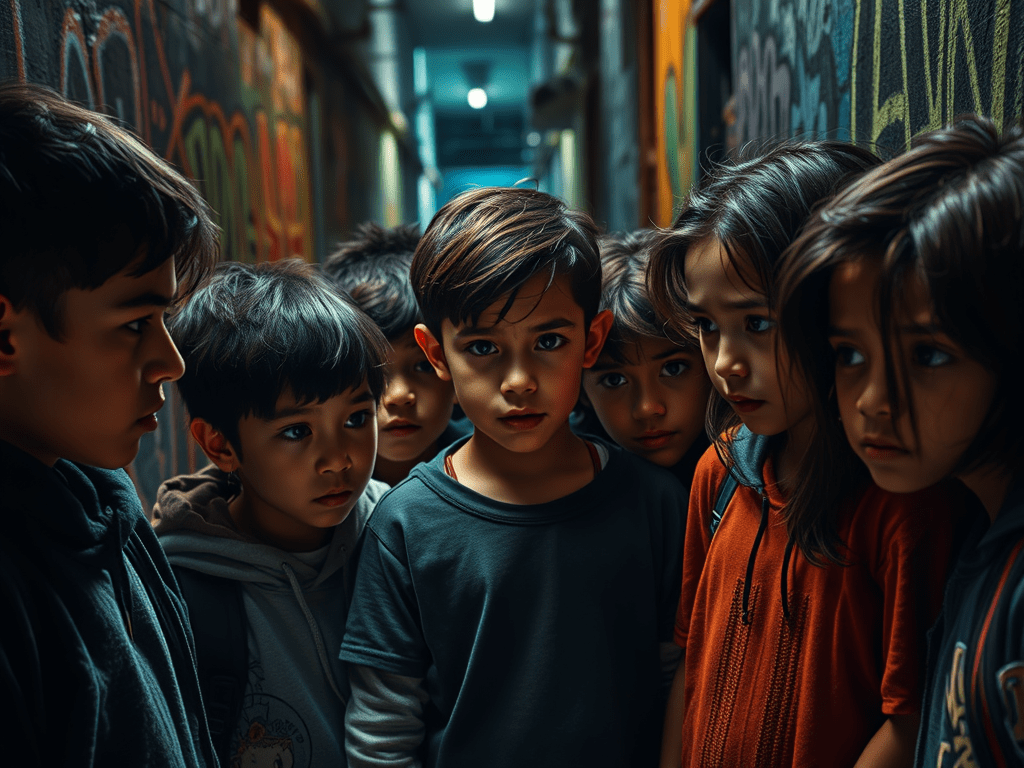
Peer influence is one of the most powerful forces in the lives of children and adolescents. As they navigate their formative years, young people are highly susceptible to the opinions, behaviours, and expectations of their peers. This social pressure can have a significant impact on their choices, including whether or not they engage in criminal activities. Understanding why some kids turn to crime due to peer pressure requires a deeper exploration of the psychological, social, and environmental factors that contribute to this complex issue.
Please check out our earlier published article on what drives people to commit crimes.
- The Role of Peer Influence in Adolescent Development
- The Psychology Behind Peer Pressure and Crime
- Peer Influence, Crime, and the Role of Gangs
- Socioeconomic Factors and Peer Influence
- Media and Peer Influence on Crime
- Preventing Peer Pressure and Crime
- Detecting At-Risk Youth Behaviour
- Conclusion
The Role of Peer Influence in Adolescent Development
During adolescence, young people undergo significant cognitive, emotional, and social changes. They seek independence from their parents, explore their identities, and form close relationships with their peers. Peer groups become more central to their social lives, and the desire for acceptance and approval from friends often outweighs other influences. This desire for belonging can lead to the adoption of behaviours that align with the group’s norms, even if those behaviours are harmful or illegal.
Peer influence is not inherently negative—many adolescents are positively influenced by their friends to achieve academic success, participate in sports, or engage in other pro-social activities. However, in some cases, peer groups can encourage behaviours that lead to crime, particularly when the group promotes deviant or delinquent activities. This can be seen in gang involvement, substance abuse, and various criminal acts.
From my experience, extracurricular activities, hobbies, and even employment, that allow young people to engage with responsible and ambitious peers and mentors, provide the best environment to thrive and carve out a successful future.
Seemingly harmless and unguided activities, such as hanging out at the mall with friends, could lead to future trouble for youth with the presence of other factors. For instance, financial disparity and expensive lifestyles portrayed through social media, could inspire these misguided youth to start committing minor crimes, such as thefts, to bridge the financial gap.
The Psychology Behind Peer Pressure and Crime
Peer pressure is often viewed as a form of social influence where an individual is encouraged to conform to the expectations or behaviours of a group. In the context of crime, peer pressure may manifest as direct or indirect coercion to engage in illegal activities. Understanding the psychology behind this dynamic is crucial to addressing the problem.
Need for Acceptance
Adolescents are at a stage where social acceptance is crucial. The need to fit in with a group can be overwhelming, especially for kids who struggle with self-esteem or have a history of feeling excluded. When the group engages in risky behaviours, such as theft, vandalism, or drug use, the pressure to conform becomes intense. For many, the fear of rejection or ridicule is a powerful motivator to join in.
Normalization of Deviance
In some peer groups, criminal behaviour is normalized. When a group regularly engages in illegal activities without facing consequences, younger members may come to view these actions as acceptable. For example, if a group of friends frequently shoplifts or skips school, the behaviour can become so commonplace that the boundaries between right and wrong become blurred. This normalization of deviance reduces the internal moral checks that prevent kids from committing crimes.
Reinforcement of Risk-Taking Behaviours
Peer groups that engage in criminal activities often reinforce these behaviours through positive reinforcement. For instance, a teen who participates in a robbery and receives praise or admiration from their peers may feel validated and empowered. The immediate rewards—whether it’s the thrill of breaking the law, the excitement of rebellion, or the status that comes with being part of the group—can be enough to push them further into criminal behaviour.
Fear of Social Exclusion
Fear of social exclusion is another key psychological factor that drives kids to commit crimes under peer pressure. When a child’s primary social support system revolves around a group that engages in criminal acts, they may feel that their social standing depends on participating in those acts. The anxiety of being ostracized or labeled as “uncool” can override concerns about legal consequences or moral dilemmas.
Peer Influence, Crime, and the Role of Gangs
One of the most extreme examples of peer pressure leading to crime is gang involvement. Gang culture thrives on loyalty, camaraderie, and the collective reinforcement of criminal behaviour. For some adolescents, joining a gang is a way to gain a sense of belonging, identity, and protection. This sense of community can be especially appealing to kids from troubled backgrounds or unstable home environments, where emotional support and guidance may be lacking.
Peer influence in gangs is often more intense and more coercive than in other social groups. In many cases, new members are introduced to a lifestyle of violence, drug trafficking, or other illegal activities as part of their initiation. The gang not only reinforces these behaviours but also punishes those who try to leave or reject the group’s norms. In this environment, the pressure to conform can be overwhelming, and the threat of retaliation or harm can further entrench kids in a life of crime.
Here are a couple of resources for gang prevention:
Socioeconomic Factors and Peer Influence
While peer pressure is a significant factor in crime, it is important to consider the broader socioeconomic context in which kids live. Poverty, lack of education, and limited access to positive role models can increase a young person’s susceptibility to negative peer influences. In neighborhoods where crime rates are high, criminal behaviour may be seen as a means of survival or a path to gaining status and respect.
In such environments, children may gravitate toward peers who share their experiences and challenges. These peers may encourage illegal activities as a way to escape their circumstances or gain material wealth. In some cases, the criminal activities of these peer groups may be seen as a response to systemic inequalities, where the promise of financial rewards through crime becomes more appealing than following conventional paths of education or employment. I firmly believe that children who become successful later in life and were raised in at-risk neighbourhoods, are the most resilient.
Media and Peer Influence on Crime
The role of the media in shaping perceptions of crime and influencing youth cannot be underestimated. Television shows, movies, music videos, video games, and social media often glamorize criminal behaviour, portraying it as a shortcut to wealth, power, or respect. When adolescents are exposed to these images and videos repeatedly, they may internalize them and begin to see crime as an acceptable or desirable way of life.
Peer groups often reinforce these media portrayals, with members discussing or mimicking the behaviour of popular characters or celebrities who engage in criminal activities. This creates a feedback loop in which media portrayals of crime influence real-life peer behaviour, which in turn influences how children perceive crime as a viable option.
Preventing Peer Pressure and Crime
While peer pressure is a significant force in shaping adolescent behaviour, it is not inevitable that kids will turn to crime due to social influences. Several strategies can help mitigate the impact of peer pressure and reduce the likelihood that children will engage in criminal activities.
Strong Family Support
The foundation of a child’s social development often starts within the family. Parents who provide emotional support, set clear boundaries, and foster open communication can significantly reduce the chances that their children will succumb to negative peer influences. When children feel secure in their family relationships, they are less likely to seek validation from peers who may encourage criminal behaviour.
Positive Peer Groups and Mentorship
Encouraging involvement in positive peer groups can counteract the influence of delinquent peers. Activities such as sports, academic clubs, volunteer work, or after-school programs provide opportunities for children to form friendships with others who share positive values. Mentorship programs that pair young people with adult role models, such as Big Brothers and Big Sisters of Canada, can also play a crucial role in helping kids navigate peer pressure.
Education and Awareness
Schools and community organizations can play a significant role in educating adolescents about the risks of crime and the consequences of illegal behaviour. By raising awareness about the impact of peer pressure and providing skills for resisting it, young people can become more resilient to negative influences. Programs that teach conflict resolution, decision-making, and self-esteem can help kids feel empowered to make choices that align with their values.
Addressing Socioeconomic Inequality
To reduce the likelihood of criminal behaviour among vulnerable youth, it is essential to address the underlying socioeconomic factors that contribute to crime. Providing access to quality education, job opportunities, and mental health support can help create a more stable and supportive environment for young people. When kids have access to resources that promote their well-being, they are less likely to turn to crime as a means of coping with adversity.
Detecting At-Risk Youth Behaviour
Based on my experiences as a police officer, there are common red flags for youth involved in an alternative and at-risk lifestyle, such as being sex trafficked. Parents and peers should watch out for the general signs and seek assistance if the behaviour persists. Signs of an alternate lifestyle include if the youth:
- Habitually runs away from home.
- Starts receiving or buying expensive items (e.g. expensive name brand clothing and accessories, cellular telephones, etc.) without the legitimate financial means.
- Has multiple cellular telephones, which may indicate their intent to hide their criminal lifestyle from parents and law enforcement by facilitating their illegal activities on a separate phone.
- Starts wearing makeup and dressing fancy for outings.
- Provides inconsistent or unbelievable stories of their activities.
None of the above factors may individually create a cause for concern. However, multiple red flags can be grounds to take action.
Conclusion
Peer pressure is a powerful force that can lead some kids to turn to crime, but it is not the sole determinant of their behaviour. Psychological factors, social dynamics, and environmental conditions all play a role in shaping how adolescents respond to peer influence. By understanding the complexities of peer pressure and crime, we can better support young people in making positive choices. Providing them with strong family ties, positive peer groups, and the resources they need to succeed can help prevent them from falling prey to the negative influences that lead to criminal behaviour.






Leave a comment