
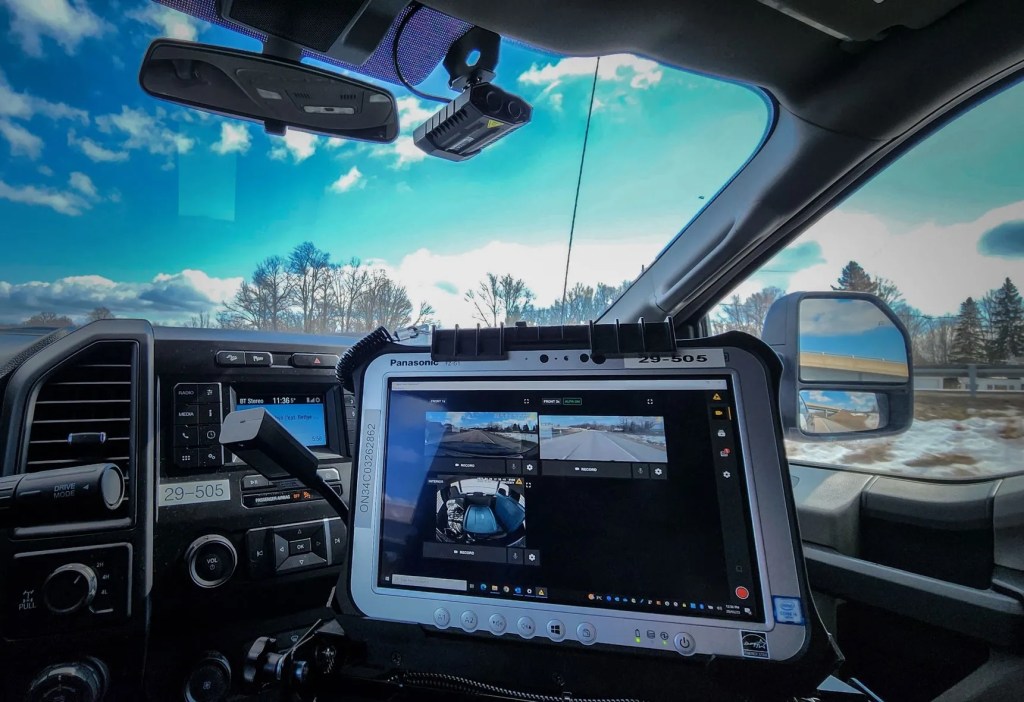
In today’s rapidly advancing world, technology plays a pivotal role in enhancing various sectors, including law enforcement and security. One of the most significant innovations aiding police and security services is Automatic License Plate Recognition (ALPR) technology. License plate scanners, which leverage ALPR, have transformed the way authorities solve crimes. These systems have the ability to track, analyze, and identify vehicles on the move, helping solve cases faster and more efficiently.
In this blog post, we’ll dive into the many ways that license plate scanners, specifically automatic license plate recognition systems, are revolutionizing crime-solving efforts. From catching criminals in real-time to investigating cold cases, ALPR technology is a vital tool for modern law enforcement.
- What is Automatic License Plate Recognition (ALPR)?
- How Does ALPR Help Solve Crimes?
- The Advantages of ALPR in Crime-Solving
- Concerns and Challenges of ALPR Use
- Conclusion
What is Automatic License Plate Recognition (ALPR)?
Automatic License Plate Recognition (ALPR) is an advanced form of optical character recognition (OCR) that uses cameras and software to read and interpret vehicle license plates automatically. This technology works by capturing an image of a vehicle’s license plate, processing it, and converting the characters on the plate into digital data. It then compares this data against a database of known vehicles or plates that may be associated with criminal activity, missing persons, or other law enforcement-related information.
The technology behind ALPR systems is both sophisticated and precise. It relies on high-resolution cameras with infrared capabilities that can work in any light conditions. These cameras are often installed in police vehicles, traffic cameras, toll booths, or even private security systems, ensuring that they are constantly monitoring and collecting data on vehicles passing through key areas.
Wonder if ALPR technology can accurately determine the license plate characters on vehicles travelling at top speeds? Take a look at this video by Axon Enterprise Inc. in relation to their Axon Fleet 3 product:
How Does ALPR Help Solve Crimes?
License plate scanners, backed by automatic license plate recognition technology, help solve crimes in a variety of ways. The key benefits they offer in crime-solving efforts include:
Real-time Alerts and Tracking
One of the biggest advantages of ALPR is its ability to provide real-time alerts to law enforcement officers. As a vehicle passes by a camera equipped with an ALPR system, its license plate is captured and compared against a database of crime vehicles, stolen cars, or individuals with outstanding warrants. If a match is found, the system instantly alerts officers nearby or on board the police vehicle equipped with the ALPR, giving them the ability to respond quickly.
For example, if a suspect in a robbery or kidnapping is seen driving a stolen vehicle, law enforcement can receive an alert about the vehicle’s movement in real-time. This helps officers track the suspect’s whereabouts and potentially catch them before they can disappear or flee the area.
The Yorkdale Shopping Centre is a great example of private security using their ALPR system to alert police of vehicles that have been placed on a watch list. The shopping mall has license plate scanners at all vehicle entrances and exits to their property. They are able to receive alerts of specific vehicles on their property and track them until police arrive. Here is their story through the Genetec website: Yorkdale Shopping Centre customer story.
Prior to the implementation of ALPR technology, police officers were often consumed with the sequence of typing out individual license plates, searching databases, and reading the results of the query while on patrol in their police vehicle. In addition to increased efficiency, automating the process of querying license plates has allowed keen and motivated police officers the ability to assess the “bigger picture,” and prevent or solve crimes by following their intuition of suspicious activity. Currently, most police agencies only trigger an alert for certain vehicles due to privacy reasons. If officers are to engage in more proactive policing, the threshold for vehicles triggering an alert will have to be increased.
Assisting in Criminal Investigations
ALPR technology also plays a crucial role in ongoing investigations. Investigators can use the data collected from various cameras to trace a suspect’s movements across multiple locations, providing valuable insight into their habits or possible hideouts. By analyzing ALPR data, investigators can link a vehicle to specific locations, dates, and times, helping them piece together the suspect’s activities leading up to or following a crime.
Additionally, ALPR systems allow law enforcement to retrieve historical data on a vehicle’s movements. If a crime occurred in a specific area, officers can search the database for any vehicles that passed through that area around the time of the incident. This allows them to build timelines and track potential witnesses, accomplices, or suspects.
Recovering Stolen Vehicles
Another key benefit of automatic license plate recognition is its ability to recover stolen vehicles. A stolen car can be entered into a database and flagged within ALPR systems across a large geographic area. When the stolen vehicle passes by a scanner, law enforcement is immediately alerted, and officers can intercept the vehicle in real-time.
The speed at which a stolen vehicle is identified and recovered can significantly impact the success of criminal investigations. Not only does this reduce the chances of the vehicle being dismantled, sold, or used for further crimes, but it also increases the chances of arresting the thief and gathering crucial evidence.
Uncovering Patterns and Trends
By analyzing large sets of data captured by ALPR systems, law enforcement agencies can uncover patterns and trends that may not be immediately obvious. For example, an ALPR system might detect that a certain vehicle is repeatedly passing by specific locations at odd hours or in proximity to certain criminal activities.
These patterns can be used to predict future crimes or identify hot spots that require further investigation through intelligence-led policing. In essence, ALPR can act as an early-warning system, alerting law enforcement to potential criminal activity even before it fully materializes.
Tracking Missing Persons or Suspects
In cases involving missing persons or wanted criminals, ALPR technology can be a lifesaver. If a person is reported missing and is believed to be in a specific vehicle, law enforcement can scan the roads for the vehicle and gather real-time data on its movements. The same technology can be applied to suspects in criminal cases, whether they are on the run or attempting to evade capture.
For example, in cases of abductions, ALPR systems may help trace a suspect’s vehicle and provide crucial information about their route, destination, or hideouts. This can help officers locate the person in question faster and prevent potential harm.
Combating Human Trafficking
Human trafficking is a pervasive problem across the globe, and ALPR technology is increasingly being used as a tool to combat this issue. Authorities can use license plate scanners to track suspected trafficking vehicles as they move through certain areas, such as known trafficking corridors or hotels where victims may be held.
By tracking these vehicles, law enforcement can disrupt trafficking operations and recover victims more efficiently. The ability to monitor suspect vehicles in real-time can also help authorities follow up on leads and catch traffickers before they can move their victims to another location.
The Advantages of ALPR in Crime-Solving
There are several compelling reasons why automatic license plate recognition is gaining traction in law enforcement as a powerful tool for solving crimes. Some of the key advantages include:
Enhanced Efficiency
ALPR systems automate the process of capturing and analyzing vehicle information, allowing law enforcement officers to focus on other critical tasks. With the ability to scan thousands of vehicles in a short amount of time, ALPR increases the overall efficiency of crime-solving operations.
Cost-Effective
Although the initial cost of installing ALPR technology can be high, it ultimately saves law enforcement agencies money by reducing the time and resources required to investigate crimes manually. The automation of data collection and comparison reduces the need for extensive manpower, and the system’s real-time alerts enable officers to make quick decisions that prevent crimes from escalating.
Non-Intrusive Monitoring
ALPR technology is largely non-intrusive, meaning it collects data without invading privacy. License plate scanners focus on tracking vehicles, not individuals, making them a more acceptable tool for surveillance when compared to other methods that involve biometric data collection or facial recognition systems.
Wide Coverage Area
The widespread installation of ALPR cameras allows law enforcement to cover large areas and monitor numerous high-traffic locations, from highways and city streets to parking lots and border crossings. This widespread coverage ensures that important data is collected from multiple locations, increasing the likelihood of finding critical information that can solve crimes.
Real-time Integration with Databases
ALPR systems can be integrated with national, state, and local crime databases, which allows law enforcement to quickly check license plates against records of stolen vehicles, missing persons, or criminals on the run. The seamless integration of this data streamlines the investigation process and provides officers with immediate access to critical information.
Concerns and Challenges of ALPR Use
While ALPR technology offers numerous benefits, there are some concerns regarding its use.
Privacy Concerns
Privacy advocates have raised issues related to the potential misuse of data or the collection of information without proper safeguards. Some argue that extensive use of ALPR could lead to the mass surveillance of innocent civilians or the collection of data on individuals who are not involved in criminal activities.
Law enforcement agencies are working to address these concerns by implementing strict protocols around the use, storage, and sharing of ALPR data. Many agencies ensure that ALPR data is retained only for a specific period and that it is securely stored, with access granted only to authorized personnel for legitimate investigative purposes.
Axon Enterprise Inc. has published a guide on how to deploy automatic license plate recognition ethically and safely. This guide includes ALPR challenges; best practices; secure data storage, auditing and retention; and data sharing and the future of ALPR.
ALPR Technology may Increase Workload
The use of ALPR technology in a follow-up investigative capacity is undoubtedly beneficial to solving crimes. On the other hand, the use of this technology in real-time situations can be disadvantageous. Law enforcement agencies everywhere are struggling to deliver effective public safety services due to staffing issues caused by budget constraints. Although the promise of technology is to “do more with less,” the increased workload caused by real-time alerts from ALPR systems could be detrimental to the delivery of policing services. For example, a police officer responding to a 9-1-1 call has a dilemma if they receive an alert from the ALPR system for an unrelated matter while enroute to their call for service. In this instance, the officer is forced to make a decision of whether to act on the alert or continue to assist the 9-1-1 caller. In the end, the officer would respond to the higher priority public safety concern.
In fact, the Peel Regional Police Service (PRPS) released the following video, in part, to educate the public on how they can reduce unnecessary workload created by their ALPR system in an effort to enhance public safety (see 0:32/0:57 minutes):
Unreadable and Fictitious License Plates
One condition that ALPR technology relies upon to function properly is the unobstructed view of license plates. If a license plate is obstructed by a cover, dirt, snow, or a physical object, such as a bicycle rack, the ALPR system will be unable to obtain the licence plate characters for processing.
However, not all readable licence plates will be successfully processed by ALPR technology. Criminals determined to remain undetected in stolen vehicles may use fictitious license plates that replicate the characters associated to a different vehicle with the same physical characteristics (i.e. year, make, model, colour, body type, etc.) Oftentimes, the legitimate vehicle will be registered to an address a large distance away from where the stolen vehicle will be operated so there is little risk that both vehicles will be around each other. This scenario makes it impossible for the ALPR system to detect the status of the stolen vehicle as the only way to determine this would be to examine the vehicle identification number (VIN).
Conclusion
Automatic License Plate Recognition (ALPR) technology has become a game-changer in the fight against crime. By offering law enforcement agencies the ability to track, monitor, and analyze vehicle movements, ALPR plays a key role in solving crimes faster and more efficiently. Whether it’s recovering stolen vehicles, tracking down wanted criminals, or preventing human trafficking, the technology has proven to be an invaluable asset for modern law enforcement.
As the technology continues to evolve, we can expect to see even greater advancements in crime prevention and resolution. However, as with all powerful tools, it’s crucial to ensure that ALPR systems are used responsibly, with respect for privacy and legal boundaries. In the end, ALPR technology helps to make communities safer, bringing criminals to justice more swiftly, and making the world a little bit more secure for everyone.





Leave a comment